
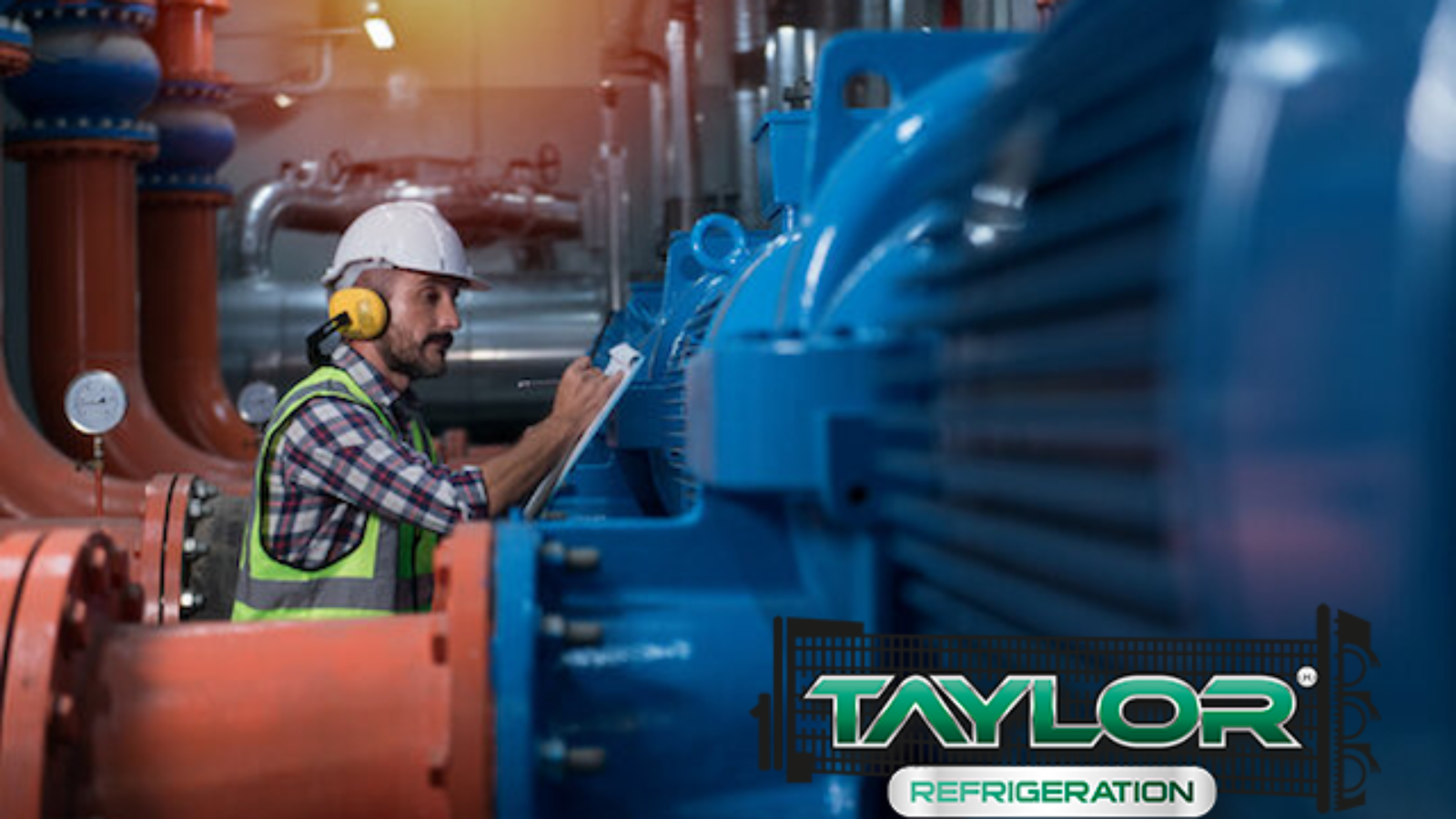
Industrial compressors are the heart of commercial and industrial refrigeration systems. They are responsible for compressing refrigerant gas and driving the refrigeration cycle, which is essential for temperature control in everything from cold storage facilities to food processing plants.
Given their critical role, maintaining compressors in peak condition is vital. Preventive maintenance helps ensure operational efficiency, extends equipment lifespan, and prevents unplanned breakdowns that could lead to costly downtime or product loss.
Why Preventive Maintenance Matters
A well-maintained compressor does more than just keep your refrigeration system running — it drives your business’s productivity and cost efficiency. Here’s why preventive maintenance should be part of your regular operations:
- Reduces unexpected downtime: Scheduled maintenance reduces the likelihood of surprise breakdowns that can halt operations.
- Enhances energy efficiency and performance: A clean, well-functioning system uses less energy and cools more effectively.
- Extends equipment life: Regular inspections and adjustments prevent wear and tear from escalating into major damage.
- Maintains compliance with safety standards: Faulty compressors can pose safety hazards and may violate regulatory requirements.
- Lowers long-term costs: It’s more cost-effective to prevent issues than to pay for emergency repairs or full system replacements.
The Preventive Maintenance Checklist
To maximise uptime and reliability, establish a routine maintenance schedule based on the following daily, weekly, monthly, quarterly, and annual tasks:
A. Daily Checks
- Listen for unusual noises or vibrations: Rattles, grinding, or buzzing sounds can indicate internal damage or misalignment.
- Monitor pressure and temperature readings: Abnormal values could signal inefficiencies or developing faults.
- Check oil level and condition (if applicable): Low or dirty oil can reduce lubrication and cause excessive wear.
B. Weekly Checks
- Inspect belts and pulleys: Look for signs of wear, cracking, or misalignment that could affect compressor performance.
- Check for refrigerant or oil leaks: Leaks not only harm efficiency but can be hazardous to staff and the environment.
- Clean external surfaces: Dust, grime, and debris can impair cooling and cause overheating. Keep the area around the compressor clear.
C. Monthly Checks
- Inspect air and oil filters: Replace filters if they appear clogged or excessively dirty. Clean airflow is critical for efficiency.
- Verify electrical connections: Loose or corroded connections can lead to electrical faults or power loss.
- Review operating logs: Look for trends or irregularities in performance data that may point to emerging issues.
D. Quarterly Checks
- Test safety controls and pressure relief valves: Ensure all safety systems are functioning correctly to avoid catastrophic failures.
- Drain moisture from tanks and separators: Excess moisture can cause rust, corrosion, and mechanical failure.
- Lubricate motor bearings and moving parts: Proper lubrication reduces friction and extends component life.
E. Annual Checks
- Schedule a full inspection by a qualified technician: Professionals can detect subtle issues and fine-tune system performance.
- Test system efficiency and calibrate controls: This ensures optimal performance and energy use.
- Replace worn parts and update software: Keeping your system current improves reliability and compatibility with modern technology.
Signs Your Compressor May Be Nearing the End of Its Life
Even the best maintenance can’t extend a compressor’s life indefinitely. Watch for these signs that your system may be due for replacement:
- Frequent repairs: Constant breakdowns or repeat issues often indicate systemic problems.
- Declining performance: If cooling capacity or efficiency drops noticeably, the compressor may be losing effectiveness.
- Rising energy bills: A failing compressor may work harder than necessary, leading to higher operating costs.
- Outdated technology: Difficulty finding parts or limited support could be signs that it’s time to consider an upgrade.
When Maintenance Isn’t Enough: Consider Upgrading
Holding on to an old compressor may seem cost-effective, but it can actually cost more in the long run.
- Old compressors = high costs: Inefficient operation and frequent service calls can add up quickly.
- Modern compressors = high efficiency: Newer models feature advanced controls and superior energy performance.
- Environmental compliance: Upgrading helps meet today’s environmental standards and reduces your carbon footprint.
Why Choose Refcomp Industrial Compressors
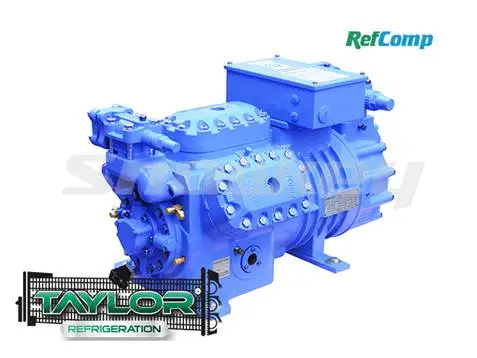
At Taylor Refrigeration, we proudly supply Refcomp compressors, trusted worldwide for their performance and durability in industrial refrigeration environments.
- Built for industrial performance: Designed for high-load, continuous-use applications.
- Energy efficient: Delivers excellent performance while reducing power consumption.
- Future-ready: Compatible with eco-friendly refrigerants and modern control systems.
- Strong support network: Easy access to parts and technical support ensures minimal downtime.
Partner with Taylor Refrigeration
When it comes to industrial compressors, experience and expertise make all the difference. Taylor Refrigeration is your trusted partner for reliable refrigeration solutions across Australia.
We offer:
- A full range of industrial compressors, including the high-performance Refcomp line.
- Expert installation, scheduled maintenance, and full system upgrades.
- Tailored recommendations based on your specific industry, facility size, and refrigeration needs.
Don’t wait for a failure to take your system offline.
Contact Taylor Refrigeration today
to schedule a system assessment, get expert maintenance, or explore upgrade options with Refcomp compressors.